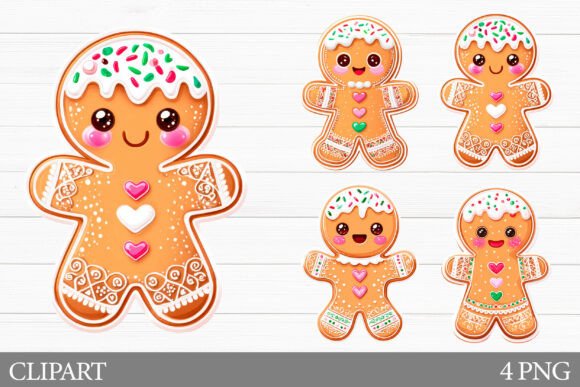
Gingerbread Clipart. Christmas Clipart
As a designer who spends half my life staring at stitch density charts and the other half trying to convince clients that embroidery isn’t just for polo shirts, I approach every new asset with a mix of optimism and skepticism. When Gingerbread Clipart. Christmas Clipart landed in my review queue, I didn’t just see a cute little gingerbread man; I saw potential revenue streams, holiday inventory stress, and the delicate balance between "whimsical" and "professional."
We are all familiar with the holiday rush. The clock is ticking, Etsy listings need to be live, and craft fair booths need to be stocked. This is where practical design judgment comes into play. Does this design actually work in a real-world embroidery project, or is it just another pretty picture that falls apart when run through a machine? Let’s break down how this piece holds up under scrutiny.
The First Impression: Mood and Visual Personality
Before we even talk about stabilizers or thread counts, we have to talk about the vibe. Gingerbread Clipart. Christmas Clipart immediately establishes a cozy, nostalgic tone. It doesn’t try to be modern minimalist, nor does it go for the overly complex, hyper-realistic style that often gets lost in small hoop sizes. Instead, it leans into the classic, hand-drawn aesthetic that resonates deeply with the handmade community.
The visual personality here is warm and inviting. For an embroidery project intended for gifts or boutique items, this mood is exactly what buyers are looking for during the winter season. It feels like something you’d find on a vintage recipe card or a grandmother’s kitchen wall. That emotional connection is crucial. When a customer sees a finished product featuring this design, they aren’t just buying a stitched image; they are buying a feeling of holiday comfort. This makes it an excellent candidate for personalized gift markets, where sentimentality drives sales more than technical perfection.
Real-World Application: Where Does This Fit?
I ran mental simulations of this design across various product categories because versatility is key for any serious craft business. Here is where Gingerbread Clipart. Christmas Clipart shines:
- Custom Apparel and Sweatshirts: On a cream or oatmeal-colored sweatshirt, this design would pop beautifully. The contrast between the dark gingerbread tones and the light fabric creates a clean, high-end look suitable for custom apparel brands aiming for a boutique feel.
- Baby Embroidery Items: Soft bodysuits and muslin blankets are huge sellers. The gentle curves and friendly expression of the clipart make it safe and appealing for nursery decor. It’s detailed enough to look professional but not so intricate that it becomes scratchy against sensitive skin.
- Kitchen and Home Goods: Think tea towels, aprons, and pillow covers. This is perhaps the most natural home for this design. The theme aligns perfectly with baking and holiday cooking. A set of embroidered tea towels featuring this clipart could easily become a bestseller on Etsy.
- Holiday Gifts and Ornaments: Small hoop projects work well here. If the file supports smaller sizes, this design can be scaled down for ornament blanks or small decorative patches.
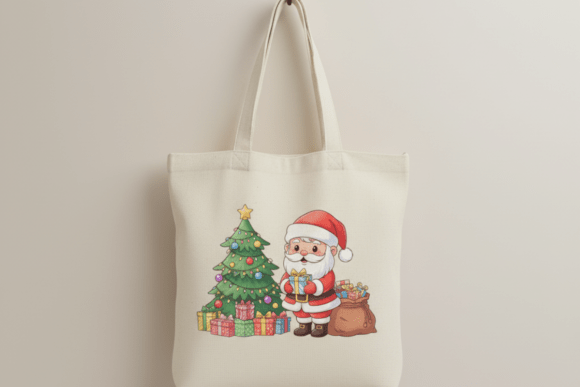
For the Etsy seller or small shop product owner, the flexibility of this design allows for bundling. You can create matching sets—like a tote bag design paired with a matching kitchen towel—to increase average order value.
Technical Performance and Stitching Clarity
Now, let’s get into the nitty-gritty of the machine embroidery design execution. The success of any embroidery file depends on how well it translates from screen to fabric. Gingerbread Clipart. Christmas Clipart appears to rely heavily on clean lines and defined shapes, which generally bodes well for stitching clarity.
However, designers must be wary of the stitch density. If the fill stitches are too dense, the fabric might pucker, especially on lighter materials. Conversely, if the detail is too fine, it might disappear entirely on textured fabrics. I always advise testing the design in black and white mockups first. This helps you assess the silhouette and spacing without getting distracted by color choices.
Consider the use of different stitch types. A combination of satin stitch for outlines and borders, paired with fill stitch for the body, usually provides the best texture contrast. If there are tiny details like buttons or facial features, ensure they are large enough to be captured by a standard needle. Tiny lettering or micro-details are often the downfall of a design, turning a professional finish into a tangled mess.
Pitfalls to Avoid: Where Caution is Required
No design is perfect for every situation. There are specific scenarios where you should handle Gingerbread Clipart. Christmas Clipart with care:
- Small Hoop Sizes: If you attempt to shrink this design too much, you risk losing the character. Ensure your final product size allows for adequate breathing room between elements.
- Textured and Stretchy Fabrics: Knits and heavy wools can distort the shape of the design. Always use the proper stabilizer to support the fabric during stitching. Without it, the symmetry of the gingerbread figure may warp.
- Dense Stitch Areas: Avoid placing this design over seams, pockets, or existing embroidery. The added bulk can be uncomfortable and may cause the needle to break.
- Dark Fabric Challenges: While dark fabrics can look striking, they require careful selection of thread colors. Light threads may need multiple passes to cover the base fabric, increasing the risk of visible backing or puckering.
Professional Notes for the Designer
Before you start producing hundreds of units for your commercial embroidery line, take these steps:
- Test on Scrap Fabric: Never trust a digital preview alone. Run the design on the actual fabric you plan to sell. Check for thread breaks, tension issues, and color accuracy.
- Check Licensing: Confirm whether you have the right to sell finished items made from this design. Some digital embroidery files come with restrictions on commercial use. Protect your business by verifying terms upfront.
- Inspect Small Details: Zoom in on the original file. Are the corners sharp? Is the spacing consistent? These subtle cues separate amateur work from professional-grade products.
- Compare Backgrounds: Test the design on both light and dark backgrounds to ensure it maintains its visual appeal across different product variations.
Final Verdict
Gingerbread Clipart. Christmas Clipart is a solid, versatile asset for anyone looking to capitalize on the holiday season. It strikes a nice balance between charm and simplicity, making it accessible to hobbyists while still offering enough quality for professional design assets. Its strength lies in its ability to evoke warmth and tradition, qualities that drive engagement in the handmade market.
If you are an apparel decorator or a maker looking to add a touch of seasonal cheer to your catalog, this design deserves a spot in your rotation. Just remember: the magic happens in the execution. With proper testing, the right stabilizer, and thoughtful product pairing, this clipart can transform from a simple digital image into a cherished finished product that customers will love.
So, load up your hoops, pick your favorite thread colors, and start creating. The holiday rush won’t wait, and neither should your preparation.