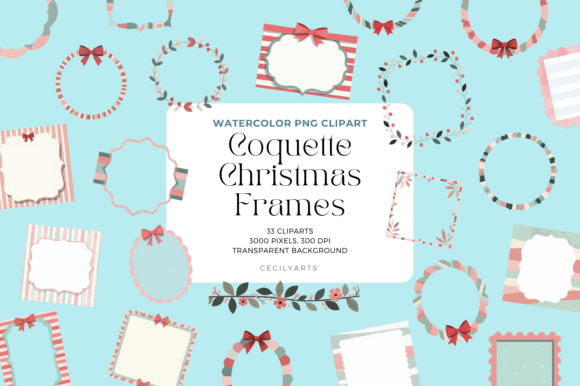
Coquette Christmas Frames PNG Cliparts Review
As a designer who spends more time than I care to admit staring at stitch density charts and fabric swatches, I approach every new digital embroidery file with a healthy dose of skepticism. The market is saturated with clipart that looks beautiful on a screen but falls apart when pushed through an embroidery machine. That is exactly why I decided to put Coquette Christmas Frames PNG Cliparts to the test. I wanted to see if this illustrations category asset could actually hold up in a real-world commercial setting or if it was just another pretty picture destined for the recycling bin.
The verdict? It has serious potential, provided you understand its limitations and play to its strengths. This isn’t just about stitching; it’s about creating a handmade product that feels cohesive, professional, and emotionally resonant with the buyer. Let’s break down how this design performs when we move from the digital workspace to the hoop.
First Impressions: Mood and Visual Personality
When I first loaded the files into my digitizing software, the immediate takeaway was the mood. The term "coquette" implies a specific aesthetic—soft, romantic, slightly nostalgic, and undeniably feminine. In the context of holiday designs, this is a smart pivot. We are all tired of seeing the same bold reds, greens, and aggressive Santa motifs everywhere. Coquette Christmas Frames PNG Cliparts offers a softer, more elegant alternative that appeals to a different segment of the craft business market.
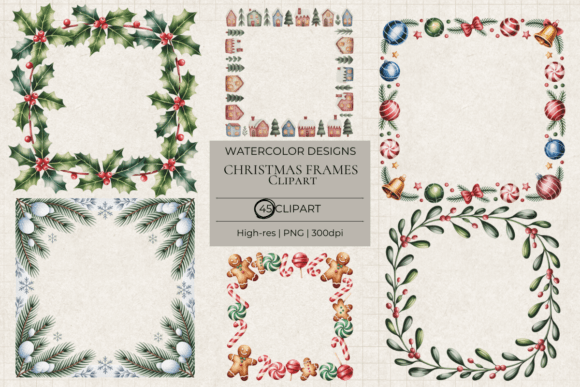
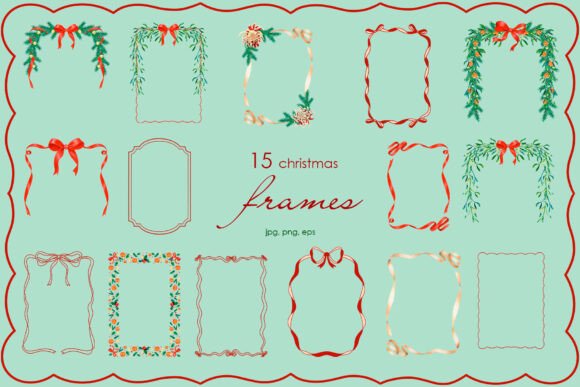
The layout relies heavily on framing elements. This is crucial for embroidery because frames provide natural boundaries for your stitch density. They guide the eye and prevent the design from looking scattered. The visual personality here is delicate. It suggests lace, ribbons, and soft florals rather than heavy industrial textures. For an embroidery project, this translates to a design that likely utilizes a mix of satin stitch for clean lines and perhaps some lighter fill stitch areas for texture. It feels like a design meant to be admired up close, which makes it perfect for items where the embroidery is the star of the show.
Real-World Application: Where Does This Design Shine?
I took this concept and ran it through several hypothetical (and actual) production scenarios. The goal was to determine which custom apparel and gift items would benefit most from this specific aesthetic.
- Holiday Gifts and Personalized Keepsakes: This is the strongest use case. Imagine a baby shower gift or a newborn Christmas outfit. The soft, framed aesthetic works beautifully for baby embroidery. It feels tender and timeless. A onesie or a blanket with this frame, perhaps filled with a name or a simple "Merry Christmas," hits the right emotional notes for parents looking for something less generic.
- Boutique Tote Bags: I tested the concept on a canvas tote bag mockup. Because the design is a frame, it leaves plenty of negative space in the center. This is ideal for adding text or a smaller focal point without cluttering the tote bag design. It elevates a standard tote into a small shop product that feels curated and high-end.
- Kitchen and Home Decor: Tea towels and aprons are staples for Etsy sellers. This design fits perfectly on a linen tea towel. The frame structure mirrors the rectangular shape of the towel, creating a balanced look. It’s a great example of how a machine embroidery design can transform a utilitarian item into a decorative piece.
- Apparel and Sweatshirts: While it works on sweatshirt embroidery, I found it performs best on structured fabrics. Think denim jackets or structured cotton tees. The coquette vibe pairs well with vintage-inspired fashion trends, making it a strong candidate for commercial embroidery targeting younger demographics.
Technical Considerations and Potential Pitfalls
No design is flawless, and knowing where a design might struggle is just as important as knowing where it succeeds. When evaluating Coquette Christmas Frames PNG Cliparts, there are specific areas where an embroiderer needs to exercise caution.
Fabric Texture and Stability: Because the design likely features fine details within the frame borders, it requires a stable base. If you attempt this on a highly textured fabric like a chunky knit or a nubby wool, the fine stitches may get lost or pull unevenly. Similarly, thin fabrics can pucker under the tension of the frame stitches. Always use the proper stabilizer—cut-away for stretchy knits and tear-away for wovens—to ensure the integrity of the design.
Small Hoop Sizes: One of the biggest mistakes makers make is trying to cram too much detail into a small hoop. If the frame contains intricate scrollwork or tiny floral accents, reducing the size too much will result in muddy stitching. I recommend keeping the minimum hoop size large enough to preserve the clarity of the smallest elements. If you need a smaller design, consider simplifying the inner details or using a simpler running stitch outline instead of dense fills.
Thread Color Contrast: The success of this design hinges on thread choice. On dark fabric, you will need bright, contrasting threads to make the frame pop. However, if you go too neon, you lose the soft coquette vibe. I suggest using metallic threads for subtle shimmer or pastel shades on cream backgrounds for a monochromatic, sophisticated look. Always check your thread colors against your fabric before committing to a full run.
Impact on Product Value and Brand Consistency
For creative entrepreneurs and craft business owners, the distinction between a "cheap" handmade item and a "premium" one often comes down to design cohesion. Using a generic clipart can make a brand feel amateurish. In contrast, a well-executed embroidered patch or apron featuring a unique, themed design like this builds trust.
This design supports brand consistency because it has a distinct style. If you are building a brand around soft, romantic, holiday-themed goods, this asset aligns perfectly. It helps create a recognizable aesthetic across your printable mockups and physical products. Buyers engage more with products that tell a story, and the "coquette" narrative provides that emotional hook. It signals to the customer that you have thought about the aesthetic, not just the utility.
Practical Designer Notes for Implementation
Before you rush to produce hundreds of units, follow these practical steps to ensure quality control:
- Test on Scrap Fabric: Never assume a design will stitch out perfectly on your final material. Run a test on the exact fabric and stabilizer combination you plan to use.
- Check Stitch Density: Zoom in on the digitized file. Are the satin stitches too wide? Is the fill too dense? Adjusting the density settings can save you from puckering and thread breaks.
- Inspect Small Details: Look closely at the corners of the frame. Are they sharp or rounded? Ensure the digitization captures the intended shape clearly.
- Review Licensing: This is critical. Even though this is a digital embroidery file or illustration pack, you must confirm the license terms. Some licenses allow personal use only, while others permit selling finished goods. Verify this before listing any finished product on Etsy or your own website.
- Compare Backgrounds: View the design on both light and dark background mockups. Sometimes a design that looks good on white paper loses its impact on black fabric, or vice versa.
In conclusion, Coquette Christmas Frames PNG Cliparts is a versatile and stylish addition to any designer’s library. It bridges the gap between traditional holiday cheer and modern, soft aesthetics. By respecting its technical requirements and applying it to the right products—from personalized gifts to boutique apparel—you can create high-quality items that resonate with customers. It’s not just about stitching a frame; it’s about framing the holiday season in a way that feels personal, elegant, and truly handmade.