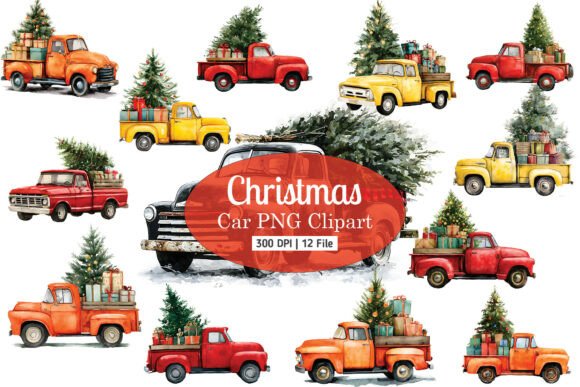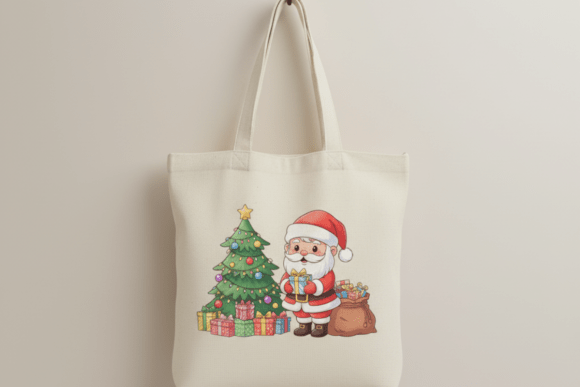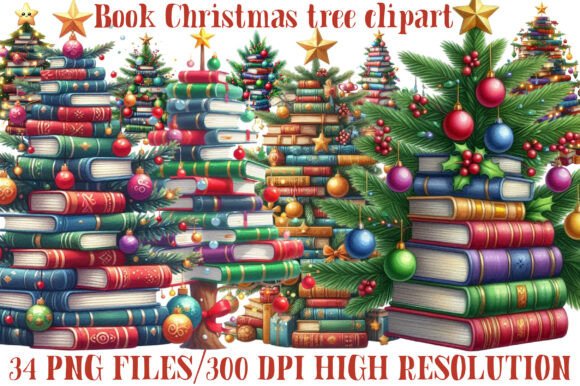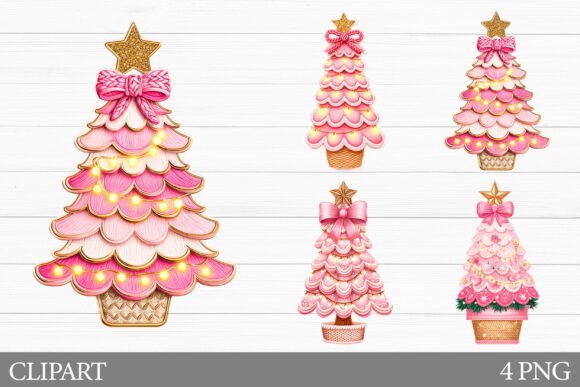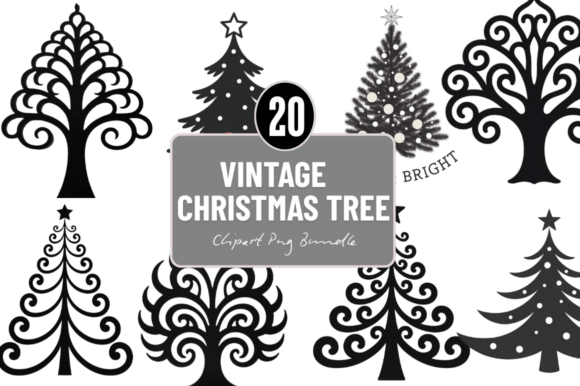
Christmas Hand Drawn Tree PNG Clipart for Illustrations
In the world of digital publishing, first impressions are not just about the headline; they are about the visual hook that stops the scroll. As a designer who has spent years optimizing content for readability and engagement, I look at every graphic asset through the lens of editorial quality and user experience. When I recently reviewed the Christmas Hand Drawn Tree PNG Clipart, my immediate reaction was one of cautious optimism regarding its versatility. This is not merely a decorative element; it is a strategic graphic design asset that can significantly elevate the aesthetic of seasonal content if integrated correctly.
The "hand-drawn" aspect of this illustration carries a specific weight in modern web design. It signals authenticity, warmth, and a human touch—qualities that are increasingly scarce in an era of AI-generated imagery and stock-photo saturation. For bloggers, online educators, and affiliate marketers, this distinction is crucial. It builds reader trust by suggesting that the content behind the image is curated with care, rather than assembled from generic templates. The artistic style leans towards a cozy, lifestyle-focused mood, making it particularly effective for niches such as home decor, family activities, holiday recipes, and personal finance during the gifting season.
Editorial Quality and Visual Mood
Before dropping any asset into a layout, we must assess its visual hierarchy. Does it compete with the text, or does it support it? The Christmas Hand Drawn Tree PNG Clipart strikes a balance between being distinct and unobtrusive. Its lines appear organic, which softens the rigid grid structure often found in website layouts. This creates a more inviting atmosphere, encouraging readers to linger longer on the page—a key metric for both user satisfaction and search engine optimization.
This design asset works best when it supports a narrative. If you are writing a guide on "How to Host a Cozy Holiday Dinner," this tree acts as a visual anchor. It reinforces the theme without shouting for attention. In contrast, a corporate law firm’s newsletter might find this too informal. However, for small business branding, creative entrepreneurs, and lifestyle influencers, the playful yet polished nature of these Illustrations aligns perfectly with a brand identity that values creativity and approachability.
Real-World Publishing Applications
One of the most common questions I receive is where to place these assets for maximum impact. The PNG format, specifically with its transparency, makes this clipart incredibly flexible. Here is how I recommend integrating it into your content marketing workflow:
- Pinterest Pins: Pinterest is a visual search engine. A hand-drawn tree adds character to pins that stand out against the clean, white backgrounds of competitors. Use it as a corner accent or a central focal point behind bold typography.
- Newsletter Headers: Email open rates depend heavily on subject lines, but click-through rates rely on the body content. Sprinkling these trees in your email footer or as section dividers keeps the brand consistent and festive without overwhelming the copy.
- Digital Guides and Lead Magnets: If you are creating a downloadable PDF, such as a "Holiday Budget Planner" or a "Gift Guide eBook," this clipart can serve as a cover element or chapter divider. It elevates the perceived value of your digital product.
- Social Media Graphics: For Instagram stories or Facebook posts, use the tree to frame quotes or announcements. The transparent background allows you to overlay text seamlessly, maintaining a clean visual hierarchy.
- Website Banners: A subtle pattern or repeated motif of these trees along the top or bottom of a website header can create a cohesive seasonal theme across your entire site.
Enhancing Content Performance
Why does this matter for your metrics? Consistent branding improves recognition. When a visitor lands on your site and sees familiar design elements—like the unique line work of this tree—they subconsciously associate that quality with your content. This leads to improved reader trust and lower bounce rates.
Furthermore, using high-quality design assets reduces the cognitive load on your reader. A clear, aesthetically pleasing image helps break up large blocks of text, guiding the eye naturally through the article. This is especially important for long-form content, such as comprehensive buying guides or educational tutorials. By using this clipart strategically, you are not just decorating; you are facilitating better comprehension and retention of your message.
Strategic Placement and Cautionary Notes
While this asset is versatile, it is not a one-size-fits-all solution. There are specific contexts where this design should be used carefully to avoid detracting from your message.
- Small Mobile Thumbnails: On mobile devices, screen real estate is limited. A detailed hand-drawn tree may become pixelated or indistinguishable when scaled down to a thumbnail size. Always test your graphics at 100px width to ensure clarity.
- Text-Heavy Blog Images: Avoid placing complex illustrations directly over dense paragraphs of text. The organic lines can clash with serif or sans-serif fonts, reducing readability. Instead, use them in whitespace areas or as background textures with low opacity.
- Low-Contrast Backgrounds: Ensure the tree stands out against your background color. If you are using a light beige or pastel background, a light-colored tree will disappear. Check contrast ratios to maintain accessibility standards.
- Busy Layouts: If your website already has many patterns, borders, and images, adding another illustrative element can create visual clutter. Let the tree breathe by pairing it with ample negative space.
- Serious Professional Niches: For B2B content, legal advice, or medical information, this playful style may undermine authority. Reserve it for lighter, community-focused, or lifestyle-oriented sections of your site.
Practical Publisher Notes for Implementation
To get the most out of this creative design, follow these technical best practices:
Test Across Devices: Preview your blog post on desktop, tablet, and mobile. Check how the tree looks as a featured image versus an inline graphic. Does it distort? Is it cropped awkwardly?
Font Pairing: Experiment with typography. This hand-drawn tree pairs beautifully with script fonts for headlines, creating a whimsical feel. For a more modern look, pair it with a clean sans-serif font. Avoid pairing it with other handwritten fonts, as this can create a chaotic visual noise.
File Size Optimization: Even though it is a PNG, file size matters for web performance. Compress your images using tools like TinyPNG before uploading. Slow-loading pages hurt your SEO rankings and frustrate users.
Licensing Verification: Before using this asset on monetized websites, affiliate pages, or paid content products, confirm the commercial license. Some marketplaces restrict the number of downloads or require attribution. Ensuring you have the right rights protects your business from legal issues.
In conclusion, the Christmas Hand Drawn Tree PNG Clipart is a valuable addition to any publisher’s toolkit. It offers the charm of artisanal design with the convenience of digital assets. By integrating it thoughtfully into your content marketing strategy, you can create a more engaging, trustworthy, and visually appealing experience for your audience. Whether you are designing a Canva template for a giveaway or updating your affiliate marketing visuals, this tree provides the perfect finishing touch to your seasonal campaigns.