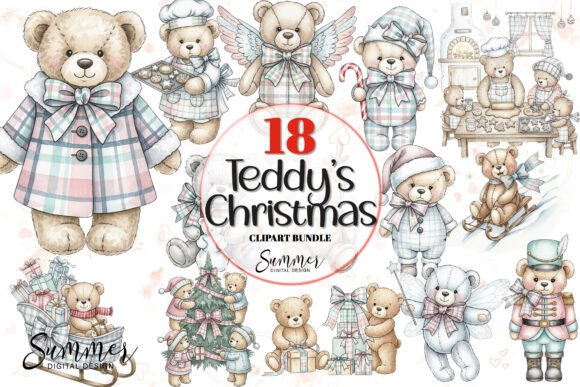
Adorable Teddy Bear Christmas Clipart
When I sit down to evaluate a new design file, my first instinct is not just to look at the pixels on the screen. I am thinking about thread tension, fabric grain, and how that image will survive the reality of a sewing machine needle punching through it hundreds of times. Adorable Teddy Bear Christmas Clipart is one of those files that looks deceptively simple in the preview window but requires a sharp eye to ensure it translates well into a tangible, sellable product. As someone who has stitched thousands of holiday items for clients and craft fairs, I approach this illustration with a mix of optimism and skepticism.
The immediate mood of this piece is warm, nostalgic, and undeniably cozy. It taps directly into the "hygge" aesthetic that dominates the handmade market right now. The teddy bear isn’t just a generic shape; it carries a specific visual personality—soft, inviting, and safe. This makes it an excellent candidate for personalized gift projects, particularly those targeting parents, grandparents, or anyone looking for a comforting presence in their home decor during the winter months. However, the charm lies in the details, and as any experienced embroiderer knows, details are where designs often fail.
Real-World Application: From Screen to Stitch
Let’s talk about how this design actually behaves when you pull it out of your hoop. Imagine you are preparing a custom order for a boutique client who wants a set of matching holiday aprons. You place Adorable Teddy Bear Christmas Clipart on the chest area. Because the design likely relies on clean lines and distinct shapes rather than overly complex shading, it tends to hold up well on cotton twill or canvas materials used for aprons. The visual appeal remains high because the contrast between the thread colors and the fabric stays crisp.
I also see this being highly effective for baby embroidery. Whether it’s a onesie, a burp cloth, or a small blanket, the softness of the subject matter pairs perfectly with the delicate nature of baby fabrics. When stitching on thin or stretchy knits, however, caution is required. A dense fill stitch in the bear’s body might pucker the fabric if the stabilizer isn’t chosen correctly. In these scenarios, the design’s success depends entirely on your preparation. Using a cut-away stabilizer for the final garment and a tear-away for testing can make the difference between a professional finish and a distorted mess.
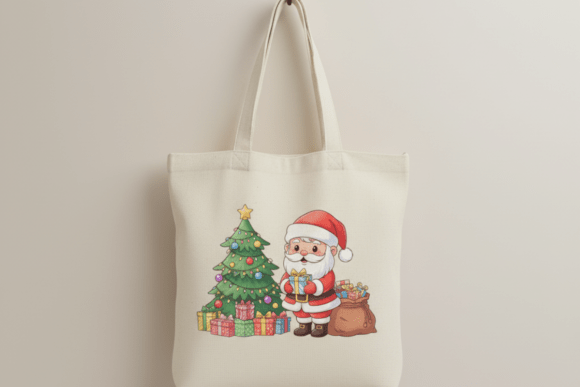
Another strong use case is for tote bag design projects. Canvas totes are staples for holiday markets. Placing this clipart in the center creates a focal point that draws the eye. It works well as a standalone graphic without needing excessive text around it. This simplicity is a strength; it allows the customer to focus on the character itself, which increases the emotional connection to the item. For an Etsy seller, this means higher conversion rates because the product photo clearly communicates the value and sentiment of the piece.
Where Caution Is Required
No design is perfect for every surface, and Adorable Teddy Bear Christmas Clipart has its limitations. One area where I would exercise extreme care is on curved surfaces like baseball caps or beanies. While the overall shape of a bear is round, the transition from the front panel to the brim can distort fine details. If the design includes tiny elements—such as buttons on the bear’s coat or intricate patterns on a scarf—it may become muddy when stretched over the curve of a cap. In such cases, simplifying the design or reducing the stitch density might be necessary before committing to production.
Textured fabrics present another challenge. Linen, wool blends, and heavy denim have a natural irregularity that can obscure small stitches. If you attempt to stitch this design on a rough-weave fabric without a proper backing, the edges of the satin stitches may fray or lose their definition. I recommend testing on scrap pieces of your target fabric first. Look closely at the corners of the bear’s ears and the outline of its limbs. Are they sharp? Do they blend into the fabric texture? If the answer is no, you may need to adjust the underlay stitches or choose a smoother fabric for the final product.
Dark fabrics also require thoughtful thread selection. If the clipart features light-colored threads against a black or navy background, the contrast will be striking. However, if the design relies on subtle tonal variations, they might get lost. Always inspect the design in black and white mockups to ensure the hierarchy of elements remains clear. This step saves time and prevents costly mistakes when you are running large batches for a holiday rush.
Design Notes for the Practical Embroiderer
Before you upload this file to your digitizing software or start your machine, there are several technical checks you should perform. First, review the stitch density. A design that is too dense can cause needle breakage or thread bunching, especially on smaller hoops. If the bear’s body is filled with heavy satin or dense fill stitches, ensure your machine can handle the load without skipping stitches.
Thread color contrast is equally important. Verify that the selected thread colors match the intended mood. Warm reds, greens, and golds will enhance the Christmas theme, while cooler tones might shift the vibe to something more wintry or melancholic. Experiment with different thread sheens; matte threads often give a softer, more vintage look that complements a teddy bear, whereas metallic threads can add a festive sparkle but may catch on things during wear.
Do not overlook the importance of testing in various hoop sizes. If you plan to offer this as a small shop product in multiple sizes, check how the design scales. Does it lose detail when reduced? Does it become too blocky when enlarged? Digital embroidery files can behave differently depending on the output size. Confirm whether the design works for both personal use and commercial projects by checking the licensing terms provided by the creator. Selling finished items requires clear commercial rights, and overlooking this can lead to legal issues down the line.
Final Verdict on Visual Appeal and Value
Ultimately, Adorable Teddy Bear Christmas Clipart succeeds because it balances simplicity with emotional resonance. It does not try to do too much, which allows it to shine on a variety of products. From embroidered patch applications on denim jackets to delicate work on nursery wall hangings, the versatility is evident. The design enhances the perceived value of the finished product because it looks intentional and well-crafted.
For the creative entrepreneur, this clipart offers a reliable foundation for building a cohesive holiday collection. It fits naturally alongside other seasonal motifs like snowflakes, reindeer, or wreaths. By using it in printable mockup previews, you can showcase how the design looks on different backgrounds, helping potential buyers visualize the final result. This transparency builds trust and encourages engagement.
In conclusion, this is a solid choice for designers who prioritize clarity and charm. It performs best when paired with stable fabrics, appropriate stabilizers, and careful attention to stitch details. Avoid pushing it into overly complex applications like tiny lettering or extremely dense decorative accents. Instead, let the bear be the star. With proper execution, this design can elevate your craft business offerings and bring joy to customers who appreciate the warmth of handmade goods. Just remember: test first, stitch second, and always keep the end user’s experience in mind.